
For months leading up to the launch date a few days ago, the yBC team worked very closely with a global team of leading academics focussed on tourism emissions. The result? A world first, and a tonne of attention focussed on this very important issue, bringing tourism emissions into very sharp focus.
This was a major global study analysing a decade of tourism data across 175 countries – it revealed surging growth in tourism emissions and “alarming” inequalities between countries. Conducted by scientists from four universities, the research was the most in-depth and extensive of its type ever undertaken, covering the years 2009 to 2020. The research was published earlier this month in Nature Communications.
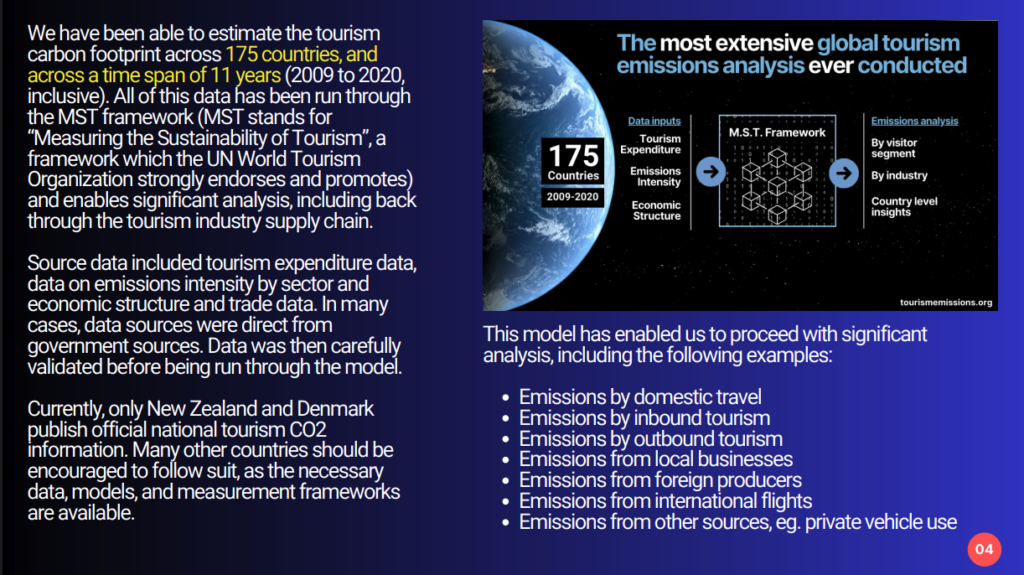
The team analysed the national tourism carbon footprints of 175 countries, drawing on multiple datasets including those published directly by governments. Data was then validated, analysed and run through a model, leading to the most clear picture of global tourism emissions ever produced. This includes the ability to drill down into the tourism supply chain, specific data sources and emissions by both country of residence and destination country.
A multi-channel approach designed to get maximum attention
The yBC team was asked to design an approach to giving this project as much focus and attention – globally – as possible. We worked with the team from four universities to understand the findings and the likely applications of those findings, before recommending an integrated communications plan.
This included development of a comprehensive project website – tourismemissions.org – where all communications resources could be found for the duration of the campaign, and well beyond.
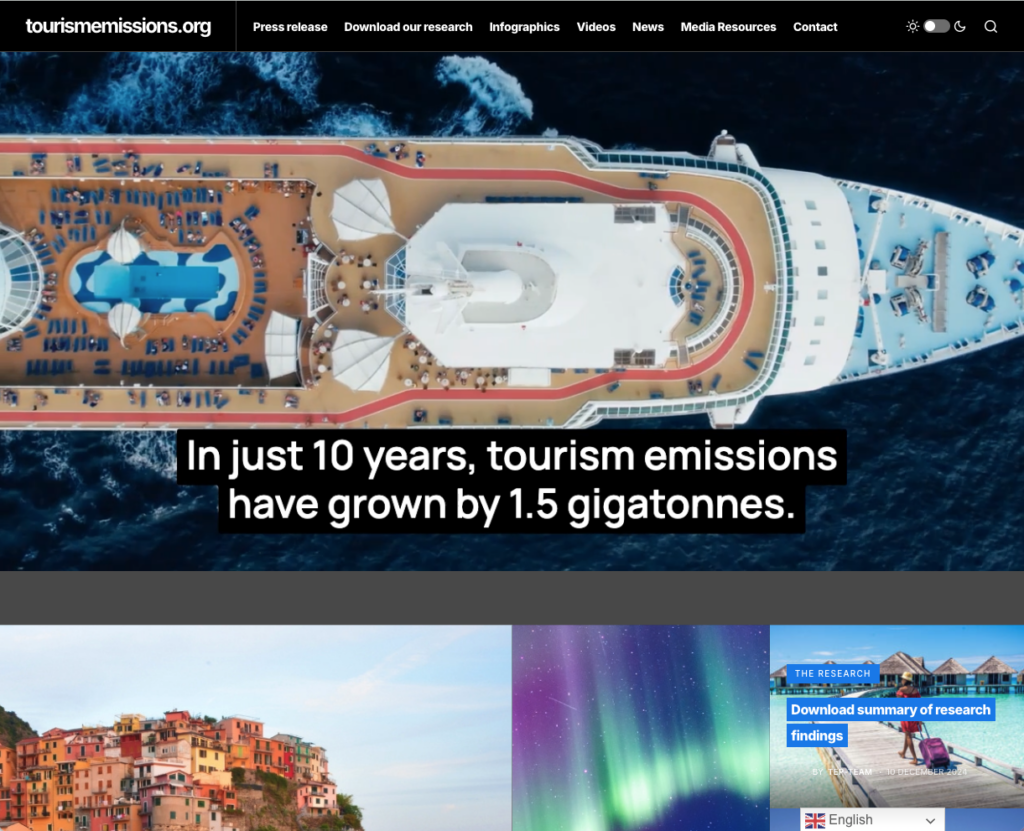
The website included a series of resources for all target audiences – including, importantly, international media. It was designed to ensure that media could access infographics and other visual assets for their own use, with attribution. It also provided a way for journalists to easily get in touch with the lead researchers, despite them being based all over the world.
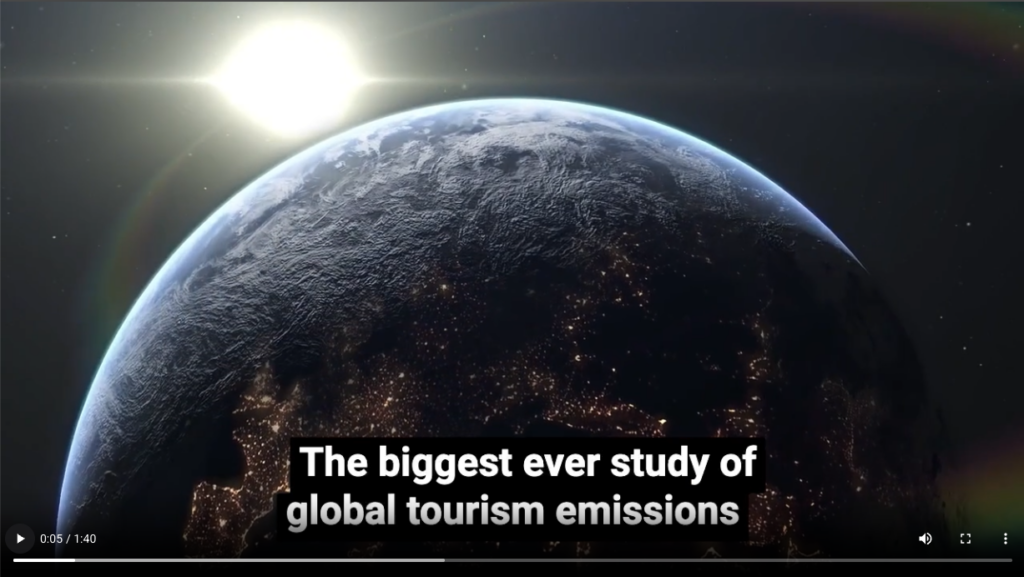
For the launch, we produced a high impact hero video, providing a clear overview of the project and some of the findings, in less than 2 minutes. You watch it on the home page here.
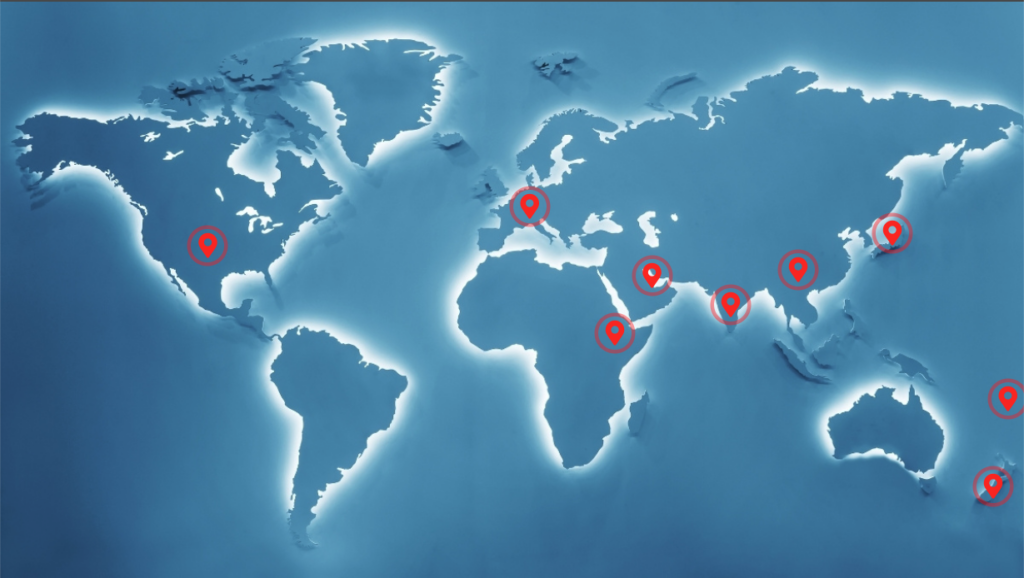
Given that this was a truly global project – and the first of its kind – we also put together an interactive map, so that people could read some of the key findings, regardless of which part of the world they came from, ensuring that the project content was relevant to all who visited.
Infographics were developed to help convey some of the key findings from this in-depth research. We worked closely with the research team to identify the key messages to be conveyed, and then to translate them into easily-consumable visual language, to help engage people.
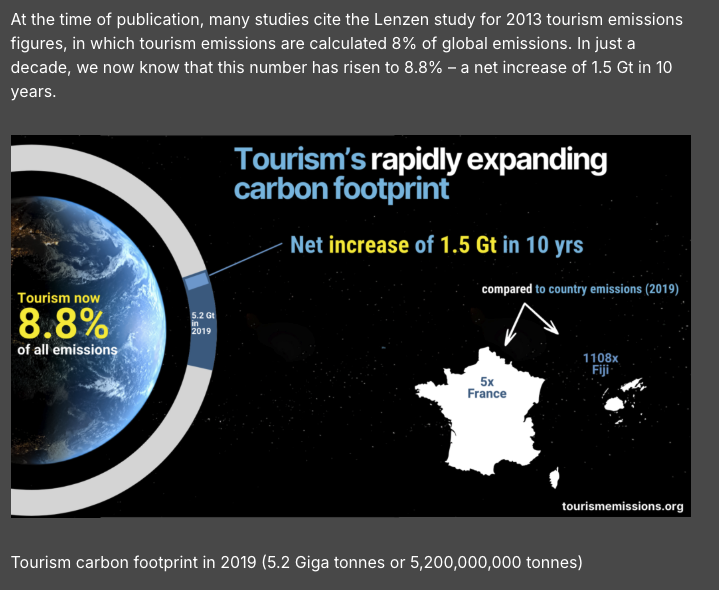
You can see a full listing of all the infographics on this page.
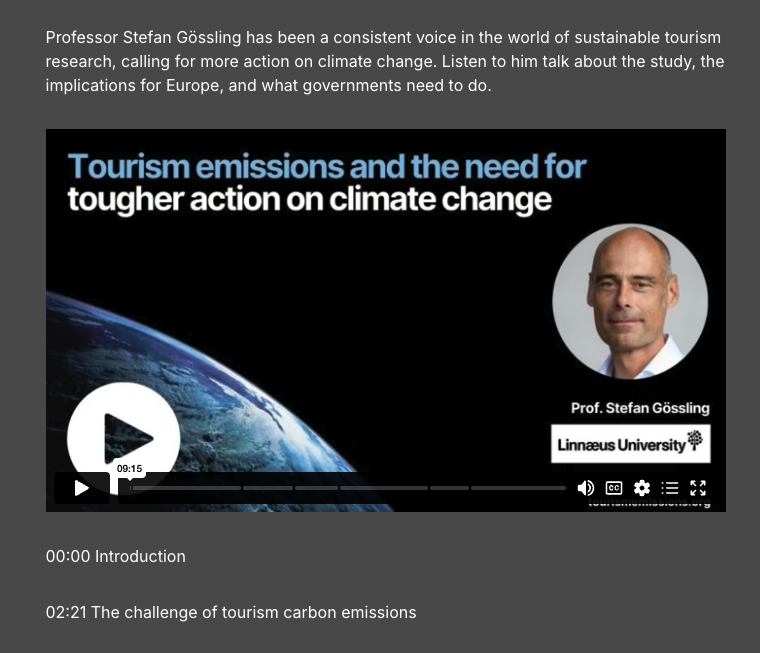
A series of video interviews was also recorded with the lead authors, and those videos were also made available on the tourism emissions project website.
We also provided a 15 page, easily digestible summary of key findings for media and other interested people to review.
Importantly, the website was responsive (worked well on mobile, tablets and laptops) and could be instantaneously translated into dozens of languages at the click of a button. We know from subsequent results that this was key.
A global campaign to drive engagement
Coupled with the resources available on the website, the yBC team developed a press release (with regional variants) for the team and at the time of launch, managed distribution of media material out to global, national, regional and niche media outlets and publications. A bespoke database of global publications and media was developed. We contacted each media agency separately, to maximise impact.
We also developed and managed a Facebook page for the campaign, to connect with influencers, thought leaders and other organisations who would find the report content useful and would likely share and therefore amplify its contents.
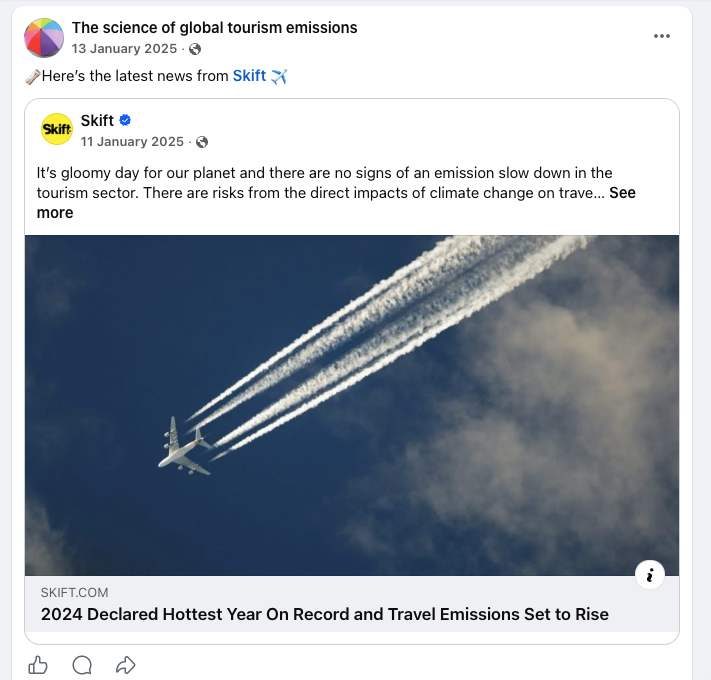
The combination of these two engagement activities, coupled with a wealth of resources on the website, led to significant global pick up in the media.
The resulting coverage included key articles in:
- The Conversation
- The Guardian
- ABC News
- Business Standard (India)
- The Economist
- Good Morning America
- The Economic Times
- The World Economic Forum
- Sydney Morning Herald
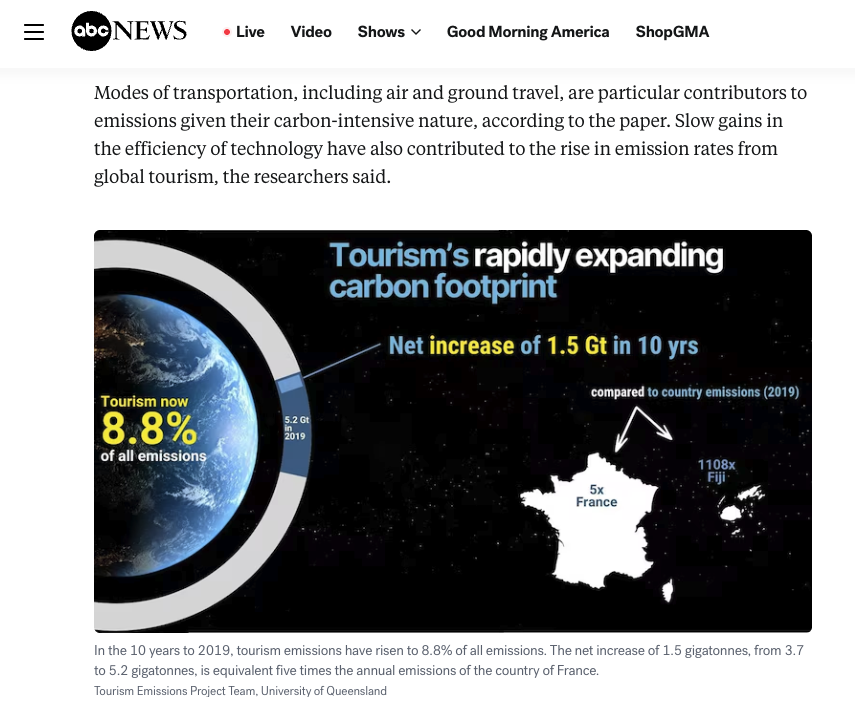
The numbers speak for themselves!
The results? There were plenty. But they include …
- On Facebook:
- Over 48,000 views of campaign announcements/material
- Nearly 3,000 engagements with our content
- Over 1,100 individual reactions
- Over 240 comments
- Crucially, 950 shares of our content on Facebook out to wider audiences and networks
- Within the first three weeks, media activity led to:
- 266 individual articles/stories
- Spanning 51 countries
- Total cumulative audience (circulation and social channels) of 328,805,360 (noting that there are publications for which we don’t have figures)
- Coverage in most major languages.
- We were also able to field over two dozen significant international media queries (leading to interviews) for the team.
You can also read more about the lead researcher presenting to COP in our news item here.